
- Partial Budget Agreement in Oslo: Prime Minister Jonas Gahr Støre’s minority Labour Party reached a budget deal for next year with three of its four smaller centre-left partners—the Centre Party, the Socialist Left Party and the Red Party—on Wednesday, 25 November 2026, leaving the proposal short of a parliamentary majority.
- Green Party Holdout Over Climate and Fuel Taxes: The Green Party (MDG) declined to endorse the compromise after negotiations over climate targets, oil and gas restructuring, and a Centre Party demand for lower fuel taxes (including a NOK 1.25-per-litre cut on biodiesel and mineral oil), with talks continuing ahead of key parliamentary deadlines.
- Spending Measures and Clashing Demands: The compromise between Labour and the three other parties covers areas such as hospitals, day care centres, lower public transport fares and state dental care support, while friction persists over proposed spending cuts to public transport, climate and nature as well as fuel tax reductions.
- Parliamentary Timeline Through December 2026: The Standing Committee on Finance and Economic Affairs faces a 30 November 2026 deadline for its final recommendation, ahead of the scheduled Storting vote on Monday, 7 December 2026.
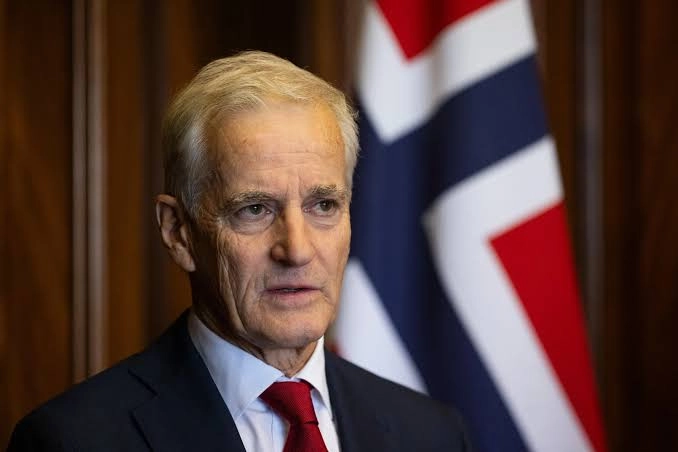
Norway (Norway Post Magazine) November 25, 2026 – Norway’s minority Labour government secured a next-year budget pact on Wednesday, 25 November 2026 with three of its four smaller centre-left allies—the Centre Party, the Socialist Left Party and the Red Party—but still lacks a majority in Parliament as the Green Party holds out. Prime Minister Jonas Gahr Støre told reporters in Oslo that talks will continue with the Green Party after what he described as “demanding” negotiations, ahead of a 30 November committee deadline and a 7 December parliamentary vote.
- Why Did the Green Party Hold Out on Norway’s Budget Deal?
- What Did Labour and Its Other Partners Agree to, and What Comes Next in Parliament?
- How Do the Positions of the Parties in Norway’s Budget Talks Compare?
- Background of the Particular Development After the News
- How This Development Can Affect Norwegian Voters, Lawmakers and Markets
As reported by Nina Berglund of News in English and Moja Norwegia on 25 November 2026 (alongside Reuters reporting from Oslo), Norway’s minority government agreed on next year’s budget with all except one of its political allies, leaving the plan without the votes needed to pass in Parliament.
Prime Minister Jonas Gahr Støre’s Labour Party struck a deal on Wednesday, 25 November 2026 with three of its four smaller centre-left partners—the Centre Party, the Socialist Left Party and the Red Party—while talks continue with the Green Party, which opted out following what Jonas Gahr Støre called “demanding” negotiations in Oslo.
Why Did the Green Party Hold Out on Norway’s Budget Deal?
Reporting by Nina Berglund of News in English and Moja Norwegia on 25 November 2026 details the disputes over climate policy, emissions cuts, oil and gas restructuring, and fuel taxes that separated the Green Party from the rest of the agreement:
- Green Party Demands on Emissions, Oil and Gas, and Fuel Taxes: As reported by Nina Berglund of News in English on 25 November 2026, Norway’s Green Party refused to join the Red Party, the Socialist Left Party and the Centre Party in backing the minority Labour government’s state budget proposal for next year. Nina Berglund of News in English notes that Labour was unable to get the Green Party to accept a reduction in fuel taxes—specifically a NOK 1.25-per-litre cut on biodiesel and mineral oil sought by the Centre Party—while Green Party lead negotiator Oda Indgaard had stated from the outset that it would be “absolutely out of the question” for the Greens to support any state budget “that doesn’t cut more emissions and contribute to a major restructuring” away from oil and gas.
- Criticism of Climate Figures and Centre Party Demands: According to Moja Norwegia on 25 November 2026, the government’s draft had drawn opposition over planned spending cuts affecting public transport, climate and nature, alongside the Centre Party’s ultimatum on lowering diesel prices. Moja Norwegia reports that Green Party acting leader Ingrid Liland rejected the proposal, said the Centre Party had brought an “atomic bomb” to the talks, accused partners of manipulating climate figures, and urged the prime minister to offer better terms or find another majority.
What Did Labour and Its Other Partners Agree to, and What Comes Next in Parliament?
Coverage by Nina Berglund of News in English, Moja Norwegia and Reuters outlines the elements agreed among Labour and its other partners as well as the legislative schedule:
- Agreement With the Red, Socialist Left and Centre Parties: As reported by Nina Berglund of News in English on 25 November 2026, Labour reached understandings with the Red Party, the Socialist Left Party and the Centre Party covering increased funding for hospitals and day care centres, lower public transport fares and state support for dental care, with Labour lead negotiator Tuva Moflag expressing satisfaction with the pact reached with the three partners. Meanwhile, Moja Norwegia notes that Prime Minister Jonas Gahr Støre indicated talks with the Green Party will continue after “demanding” negotiations.
- 30 November Committee Deadline and 7 December Storting Vote: According to Moja Norwegia and Nina Berglund of News in English, the Standing Committee on Finance and Economic Affairs must deliver its final recommendation by 30 November 2026, ahead of the decisive vote in the Storting scheduled for Monday, 7 December 2026. Moja Norwegia also notes that if a budget fails to pass and the cabinet resigns, Norway’s King could ask Progress Party leader Sylvi Listhaug to attempt forming a new government.
How Do the Positions of the Parties in Norway’s Budget Talks Compare?
A structured summary compiles the positions and roles of the parties cited in the 25 November 2026 reporting:
| Party or Actor | Reported Stance or Role | Key Issues Highlighted in Coverage |
| Labour Party (Jonas Gahr Støre & Tuva Moflag) | Minority government; struck deal with three of four smaller centre-left allies while continuing talks with the Greens | Agreed with partners on hospitals, day care, lower public transport fares and dental care support; negotiations described as “demanding”. |
| Centre Party, Socialist Left & Red Party | Agreed to budget compromise with Labour on 25 November 2026 | Centre Party pressed for fuel/diesel tax cuts (NOK 1.25/litre on biodiesel and mineral oil). |
| Green Party (Oda Indgaard & Ingrid Liland) | Refused to endorse the deal; ruled out backing budget without deeper emissions cuts and oil/gas restructuring | Objected to fuel tax reductions, climate figure accounting and cuts to transport, climate and nature spending. |
| Parliament & Opposition Context | Finance committee recommendation due 30 November 2026; Storting vote set for 7 December 2026 | Progress Party led by Sylvi Listhaug noted in coverage as potential alternative if cabinet resigned over a rejected budget. |
Background of the Particular Development After the News
Under Norway’s parliamentary system, minority governments routinely negotiate annual state budgets in the Storting with support from smaller parties to secure passage before the end of the calendar year. Following the September 2025 parliamentary election in which Labour remained the largest party in the 169-seat Storting and the Centre Party had earlier exited the governing coalition in early 2025, Jonas Gahr Støre has led a minority Labour administration that depends on cross-party backing across the centre-left bloc.
Annual budget bargaining in Norway frequently centres on balancing household cost-of-living measures—such as transport fares, welfare services and fuel taxation—against climate commitments and long-term public spending priorities.
How This Development Can Affect Norwegian Voters, Lawmakers and Markets
The unresolved budget negotiations ahead of the 30 November 2026 committee deadline and 7 December 2026 Storting vote carry practical implications across several groups:
1. Households, Commuters and Public Service Users in Norway
For commuters, families and patients across Norway, the final budget outcome determines whether measures such as lower public transport fares, dental care support, hospital and day care funding, or fuel tax adjustments take effect next year.
2. Prime Minister Jonas Gahr Støre, Negotiators and Storting Members
For Jonas Gahr Støre, Tuva Moflag, Oda Indgaard, Ingrid Liland and lawmakers across the Storting, bridging disagreements over climate targets and fuel taxes before 7 December 2026 will be essential to passing the budget without triggering a broader political crisis.
3. Energy, Transport and Domestic Businesses
For businesses active in transport, energy and public-sector contracting, late-stage adjustments to fuel duties, climate allocations and state spending programmes will shape operating costs and planning certainty for the coming year.