
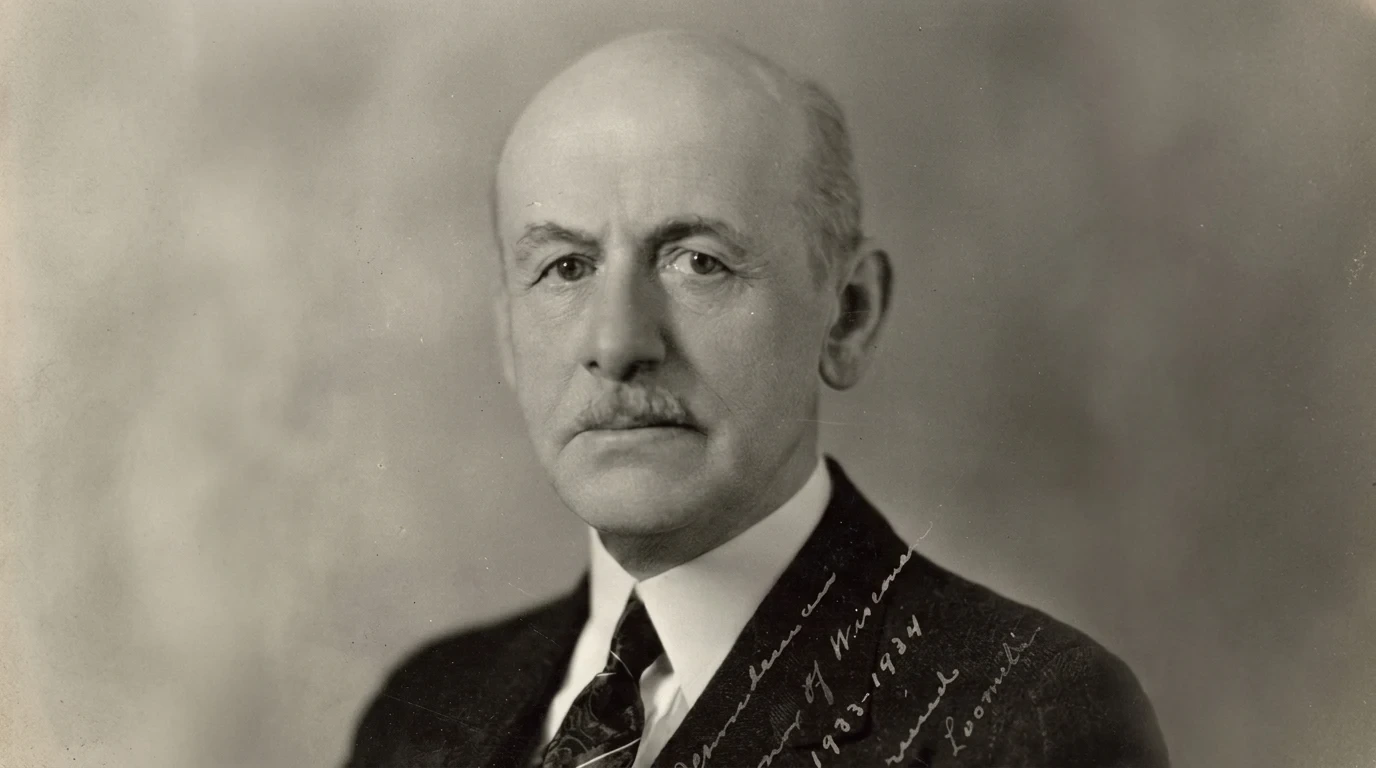
- Historical Appeal by Tom Loftus: Former Wisconsin Assembly Speaker and former U.S. Ambassador to Norway (1993–1997/1998) Tom Loftus published a column on WisOpinion.com / WisPolitics inviting readers to share historical clues regarding the diplomatic tenure of Albert Schmedeman, who served as U.S. envoy to Norway from 1913 to 1921 before becoming Wisconsin’s governor in 1933–1934.
- Limited Public Record of Schmedeman’s Oslo Posting: Aside from accepting the 1919 Nobel Peace Prize on behalf of President Woodrow Wilson, Tom Loftus notes there is virtually no Wikipedia or publicly available account of Albert Schmedeman’s eight-year posting in Norway—which spanned the entirety of the First World War (1914–1918), Britain’s coal ultimatum to Norway, German submarine attacks that sank more than 400 Norwegian ships and killed 1,500 sailors, and Allied intervention in northern Russia via Murmansk and Archangel using troops from Wisconsin and Michigan.
- Research Hurdle in Mission to Oslo: While writing his award-winning memoir Mission to Oslo over four years—which profiled notable U.S. envoys to Norway including Florence Jaffray Harriman, Frances E. Willis, and Clifton R. Wharton Sr.—Tom Loftus had to set aside Albert Schmedeman because gathering even a few paragraphs would have taken an additional year of research.
- Early 20th-Century Wisconsin Politics and Appointment: Appointed by Woodrow Wilson in 1913 after losing congressional and Madison mayoral races in 1910 and 1912, Democrat Albert Schmedeman emerged from a Wisconsin political landscape dominated by stalwart Republicans, Robert M. La Follette’s Progressives, and Milwaukee Socialists.
- Eventful 1933–1934 Governorship: Elected governor in Franklin D. Roosevelt’s 1932 landslide after serving as Madison’s mayor—defeating Governor Philip La Follette before losing to him two years later—Albert Schmedeman oversaw Depression-era dairy strikes, a farm and home mortgage moratorium, the 27 July 1933 Kohler strike shooting in which two men died and National Guard troops were deployed, a post-Prohibition $1-per-barrel beer tax that stood until 1969, and a Madison campaign visit featuring Franklin D. Roosevelt and Charles Lindbergh at Camp Randall Stadium.
Norway (Norway Post Magazine) November 25, 2026 – Former Wisconsin Assembly Speaker and U.S. Ambassador to Norway Tom Loftus has called on readers for historical clues about Albert Schmedeman, the Wisconsin Democrat who served as U.S. envoy to Norway from 1913 to 1921 before serving as governor from 1933 to 1934. Writing for WisOpinion.com / WisPolitics, Tom Loftus highlights the scarcity of accessible records documenting Albert Schmedeman’s First World War diplomatic years alongside his turbulent Depression-era governorship.
- Why Is Albert Schmedeman’s Diplomatic Tenure in Norway Considered a Historical Mystery?
- What Happened During Albert Schmedeman’s 1933–1934 Term as Governor of Wisconsin?
- How Do Albert Schmedeman’s Diplomatic and Gubernatorial Eras Compare?
- Background of the Particular Development After the News
- How This Development Can Affect Historians, Archivists, and Wisconsin Readers
As reported by Tom Loftus in a column published by WisOpinion.com and WisPolitics, former Wisconsin Governor Albert Schmedeman’s 1913–1921 tenure as United States ambassador to Norway remains largely absent from publicly accessible historical records despite spanning the First World War and Allied operations in northern Russia, prompting Tom Loftus to ask readers for clues to the “lost ambassador mystery.”
Writing from Sun Prairie, Wisconsin, Tom Loftus—who served as Speaker of the Wisconsin Assembly and as U.S. ambassador to Norway under President Bill Clinton—noted that the column reflects his personal views rather than those of WisOpinion.com. Before serving one term as governor of Wisconsin in 1933–1934, Albert Schmedeman had been mayor of Madison, winning the governorship in Franklin D. Roosevelt’s 1932 landslide by defeating Governor Philip La Follette before losing to Philip La Follette two years later.
Why Is Albert Schmedeman’s Diplomatic Tenure in Norway Considered a Historical Mystery?
In his column for WisOpinion.com and WisPolitics, Tom Loftus explains how Albert Schmedeman was appointed to Oslo and why his diplomatic record proved elusive during research for Tom Loftus’s memoir Mission to Oslo:
- Early 20th-Century Wisconsin Politics and Woodrow Wilson’s Appointment: According to Tom Loftus in WisOpinion.com, early 20th-century Wisconsin politics was dominated by two Republican factions—the stalwarts and the populist progressives led by Robert M. La Follette, who later split to form the Progressive Party led by himself and his two sons until the Second World War—while Socialists controlled Milwaukee. When President Woodrow Wilson sought a Wisconsin Democrat for his administration, options were scarce because the state’s Democratic Party remained associated with Civil War sympathies toward the South and functioned largely around federal patronage. After losing as the Democratic candidate for Congress in 1910 and for mayor of Madison in 1912, Albert Schmedeman was appointed U.S. ambassador to Norway by Woodrow Wilson in 1913, serving until 1921.
- Gaps in Public Records and Mission to Oslo Research: Tom Loftus writes that aside from a mention that Albert Schmedeman accepted the 1919 Nobel Peace Prize on behalf of President Woodrow Wilson, there is no Wikipedia entry or other publicly available record detailing his time in Norway, leaving him “lost to history”. In his memoir Mission to Oslo—covering his own diplomatic service from 1993 to 1998—Tom Loftus included brief biographies of notable U.S. ambassadors to Norway: the first woman ambassador from the Foreign Service, appointed by Dwight D. Eisenhower (Frances E. Willis); the first Black ambassador posted outside Haiti or Liberia, appointed by John F. Kennedy (Clifton R. Wharton Sr.); and Florence Jaffray Harriman, appointed by Franklin D. Roosevelt, who served when Germany invaded neutral Norway in 1940. As Tom Loftus explained in WisOpinion.com: “When it came to Schmedeman I had to give up. It took me four years to write the book, and it would have taken another year just to get a few paragraphs.”
- First World War Events in Norway and Northern Russia: Raising the question, “Is there a great statesman waiting to be found who was a witness to and participant in momentous events?”, Tom Loftus recounts that Albert Schmedeman was posted in Norway throughout the First World War (1914–1918), when Norway acted as Britain’s “Neutral Ally” following a British ultimatum threatening to halt coal exports vital to Norway’s commercial fleet unless trade with Germany stopped. Germany responded with submarine warfare that sank more than 400 Norwegian vessels and killed 1,500 sailors. After the war ended in Western Europe, Woodrow Wilson—without congressional authorisation—sent troops from Wisconsin and Michigan to Arctic ports at Murmansk and Archangel under British command to fight Bolshevik forces during the Russian Civil War, using northern Norway as a staging area in a conflict deeply unpopular in Wisconsin—prompting Tom Loftus to ask: “Where was Ambassador Schmedeman during all this?”
What Happened During Albert Schmedeman’s 1933–1934 Term as Governor of Wisconsin?
While Albert Schmedeman’s diplomatic years remain sparsely documented in public sources, Tom Loftus notes in WisOpinion.com that his two years as governor during the Great Depression were packed with major political, economic, and labour developments:
- Dairy Protests and Mortgage Relief: During the Depression, Wisconsin dairy farmers dumped milk onto the Capitol lawn in Madison to protest low prices, leaving a pungent curdling mess that lasted for days, while Albert Schmedeman signed legislation establishing a moratorium on farm and home mortgage payments.
- The 27 July 1933 Kohler Strike Shooting: On 27 July 1933, special deputies armed with guns rushed a gathering of striking workers at the Kohler plumbing company who were protesting management’s refusal to recognise their union; two men were killed, women and children were tear-gassed, and Governor Albert Schmedeman deployed the National Guard.
- The Post-Prohibition Beer Tax and 1934 Campaign Events: The Wisconsin Legislature passed and Albert Schmedeman signed the “beer bill,” a post-Prohibition measure setting a $1-per-barrel tax on beer that remained unchanged until 1969. President Franklin D. Roosevelt visited Madison to support Albert Schmedeman, highlighted by an event in which University of Wisconsin alumnus Charles Lindbergh addressed a crowd filling Camp Randall football stadium. Concluding his column, Tom Loftus appealed directly to readers: “Dear reader, if you have clues to the lost ambassador mystery, let me know.”
How Do Albert Schmedeman’s Diplomatic and Gubernatorial Eras Compare?
A structured summary contrasts the sparsely documented Norwegian posting with the well-recorded domestic events of Albert Schmedeman’s governorship highlighted by Tom Loftus:
| Period & Role | Key Historical Events & Figures | Documentation Status Noted by Tom Loftus |
| 1910–1912 Pre-Diplomatic Campaigns | Ran unsuccessfully as a Democrat for U.S. Congress (1910) and Mayor of Madison (1912) amid Republican, Progressive (Robert M. La Follette), and Socialist dominance | Documented in Wisconsin political history; preceded federal patronage appointment by President Woodrow Wilson. |
| 1913–1921 Envoy to Norway | WWI (1914–1918), British coal ultimatum, >400 Norwegian ships sunk (1,500 sailors lost), Murmansk/Archangel expedition with Wisconsin & Michigan troops, 1919 Nobel Peace Prize accepted for Wilson | Largely absent from Wikipedia and accessible public records; omitted from Mission to Oslo due to research time required. |
| 1933–1934 Governor of Wisconsin | Elected in FDR’s 1932 landslide over Philip La Follette (lost rematch in 1934); dairy milk-dumping protests, mortgage moratorium, 27 July 1933 Kohler strike (2 killed, National Guard called), $1/barrel beer tax (unchanged until 1969), FDR & Charles Lindbergh Camp Randall visit | Well-documented Depression-era events in Wisconsin state records. |
Background of the Particular Development After the News
Albert G. Schmedeman (1864–1946) was a Madison businessman and local official before President Woodrow Wilson appointed him Envoy Extraordinary and Minister Plenipotentiary to Norway in July 1913—the diplomatic rank used by the United States in Oslo prior to the legation’s elevation to an embassy in 1942. Serving until July 1921, he represented Washington in Christiania (now Oslo) throughout the First World War, the 1919 Paris Peace Conference era, and the Polar Bear Expedition in northern Russia before returning to Madison, serving as mayor from 1926 to 1932, and winning the Wisconsin governorship in 1932.
Tom Loftus, who served in the Wisconsin State Assembly from 1977 to 1991—including as Democratic Speaker from 1983 to 1991—and as U.S. Ambassador to Norway from 1993 to 1997 under President Bill Clinton, published his diplomatic memoir Mission to Oslo in 2024.
How This Development Can Affect Historians, Archivists, and Wisconsin Readers
Tom Loftus’s public call for historical clues about Albert Schmedeman’s diplomatic service carries practical implications for several groups:
1. Wisconsin Historians, Archivists, and Genealogists
For state historians, university archivists, and local researchers in Madison and across Wisconsin, Tom Loftus’s column spotlights an under-explored archival gap—encouraging searches through State Department dispatches, Norwegian diplomatic archives, local newspapers, and family papers from 1913 to 1921.
2. Readers and Descendants With Family Records
For WisOpinion.com and WisPolitics readers—including descendants of Wisconsin residents who served in diplomatic posts, merchant shipping, or the 1918–1919 northern Russia expedition—the appeal creates an avenue to surface letters, photographs, or diaries connecting Wisconsin to Oslo during the First World War.
3. Students of U.S.–Norwegian Relations and Political History
For students and scholars examining U.S.–Norwegian diplomacy and early 20th-century Wisconsin politics, recovering primary accounts of Albert Schmedeman’s mission can clarify how a Wisconsin patronage appointee navigated neutrality pressures, wartime shipping losses, and post-war peace diplomacy.