
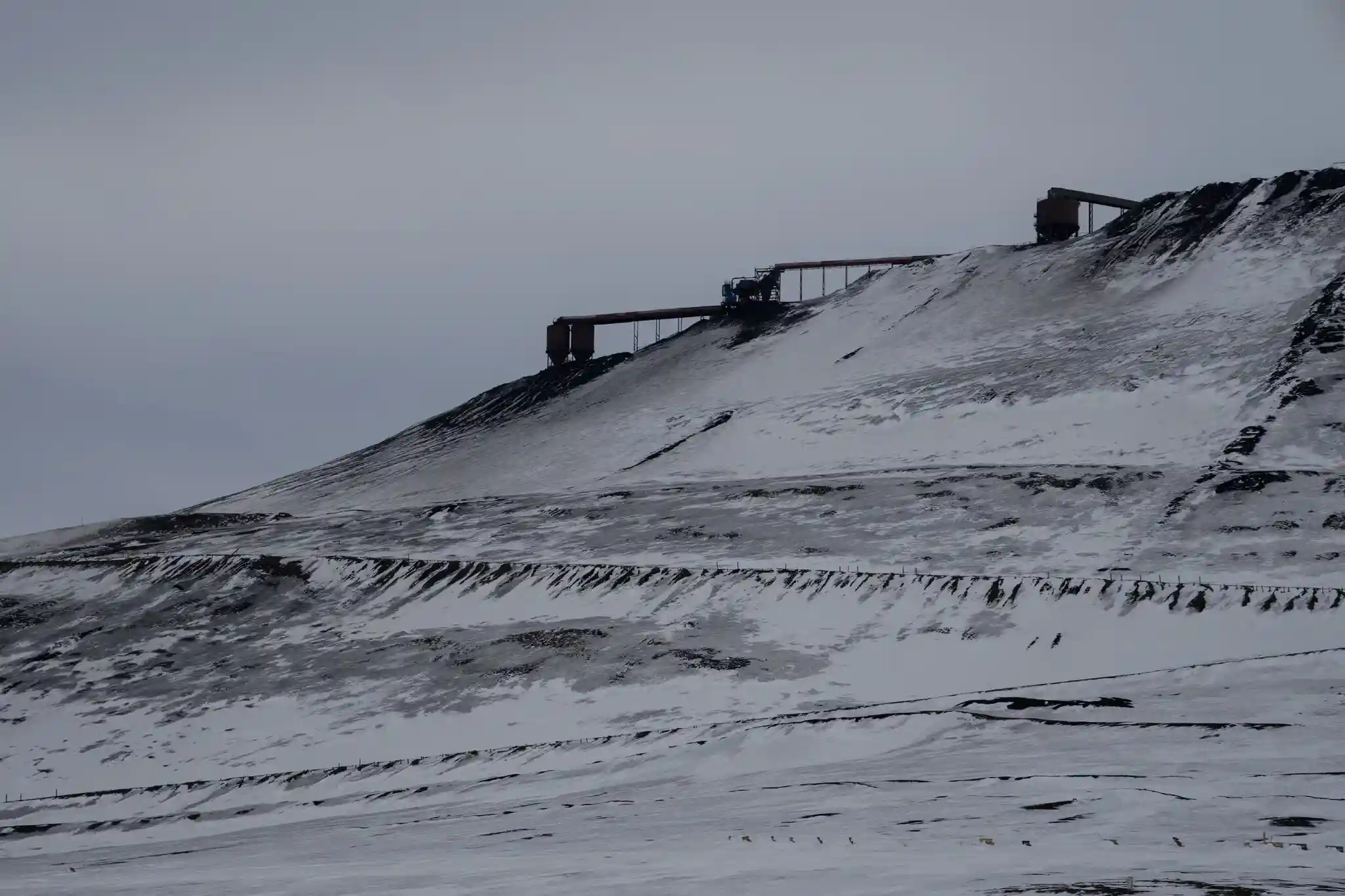
- End of Norwegian Coal Mining on Svalbard: Norway has closed its last coal mine—Mine 7 (Gruve 7), operated by state-owned Store Norske—ending a mining history spanning more than a century on the Arctic archipelago of Svalbard after production ceased in 2025 and the entrance was sealed.
- Shift From Coal to Tourism, Research and Geopolitics: Longyearbyen, Svalbard’s largest settlement with roughly 2,500 residents, has transformed rapidly from a mining community into a hub for Arctic researchers and cruise tourism—drawing around 150,000 tourists a year—while becoming a focal point for Norwegian sovereignty under the 1920 Svalbard Treaty alongside Russia’s continued presence.
- Local Impact on Miners and Residents: Former miners have largely departed or shifted to other sectors, everyday Arctic customs like carrying a rifle for polar bear protection or keeping sled dogs increasingly draw tourist attention, and Karlsberger Pub owner Steve Daldorff Torgersen—a 36-year Svalbard resident—described the finality of Mine 7’s closure as a shock.
- Parliamentary Debate Over Sovereignty and Viability: Socialist Left Party Member of Parliament Ingrid Fiskaa visited Svalbard ahead of Mine 7’s closure and noted that while the shutdown was emotional and risked making Longyearbyen residents feel forgotten, keeping the mine open was not economically viable and other business activity is vital to sustaining a vibrant community that reinforces Norwegian sovereignty.
Norway (Norway Post Magazine) November 25, 2026 – Norway has closed its last coal mine on Svalbard, bringing an end to more than a century of Norwegian coal mining in the Arctic archipelago as Longyearbyen shifts toward research, tourism and heightened geopolitical scrutiny. Reported by The New York Times (and echoed in coverage by Free Press Kashmir and Antena 3 on 25 November 2026), the closure of Mine 7 by state-owned Store Norske follows a brief war-driven coal bump and spurs debate over livelihoods and sovereignty.
- How Has the Closure of Mine 7 Affected Miners, Longyearbyen Residents and Local Identity?
- Why Was Mine 7 Closed and What Did Lawmaker Ingrid Fiskaa Say About Sovereignty?
- How Do the Key Dimensions of Svalbard’s Post-Mining Transition Compare?
- Background of the Particular Development After the News
- How This Development Can Affect Longyearbyen Residents, Norwegian Policymakers and Arctic Observers
As reported by The New York Times (with follow-on coverage by Free Press Kashmir and Antena 3 on 25 November 2026), Norway has closed its last coal mine on the Arctic archipelago of Svalbard, ending a mining way of life that dates back more than a century as Longyearbyen pivots toward tourism, scientific research and geopolitical significance.
Longyearbyen—the largest town on Svalbard—has long been home to Norwegian mining families, yet within less than a generation it has changed dramatically as international researchers arrived to study the Arctic environment and cruise ships brought roughly 150,000 visitors annually, far outnumbering the town’s roughly 2,500 residents. At the same time, Svalbard has become a sensitive geopolitical flashpoint under the 1920 treaty that permits economic activity open to treaty signatories conditional on recognising Norwegian sovereignty, with Russia operating the only other permanent settlement on the archipelago.
How Has the Closure of Mine 7 Affected Miners, Longyearbyen Residents and Local Identity?
Reporting from The New York Times (and summarised by Free Press Kashmir and Antena 3 on 25 November 2026) captures the social and cultural shift felt across Longyearbyen as coal mining ends:
- Miners Leaving or Changing Sectors and Everyday Life Becoming a Tourist Novelty: According to The New York Times, miners feel caught by changes beyond their control, and with mining jobs gone, most miners have left or moved into other industries. Daily routines in the Arctic—such as carrying a firearm for protection against polar bears or finding a place for a sled dog—have increasingly turned into spectacles for tourists taking selfies, while brightly painted miners’ houses stand out against the Arctic landscape and a local kindergarten named “Kullungen” (“the Coal Kid”) once named classrooms after mines.
- Steve Daldorff Torgersen’s Statement on the Finality of Mine 7: Reporting from The New York Times (also cited by Free Press Kashmir and Antena 3) highlights mementoes such as Mine 7 tools on display at the Svalbard Museum and mining portraits at the Karlsberger pub. Owner Steve Daldorff Torgersen, who has lived on Svalbard for 36 years and experienced numerous transitions, said the finality of Mine 7’s closure came as a shock. As reported by The New York Times (and Free Press Kashmir), Steve Daldorff Torgersen stated: “It feels sad and strange.” He added: “Mentally, it’s a catastrophe.”
Why Was Mine 7 Closed and What Did Lawmaker Ingrid Fiskaa Say About Sovereignty?
Coverage by The New York Times (and Free Press Kashmir on 25 November 2026) outlines the timeline of Store Norske’s decision, the temporary wartime reprieve and political arguments surrounding Norwegian control:
- 2021 Closure Plan, Ukraine War Reprieve and Final Shutdown: As reported by The New York Times, state-owned mining company Store Norske informed Parliament in 2021—as Norway positioned itself as a green energy leader—that it planned to shut down Mine 7 after already closing a larger mine and relocating hundreds of miners and their families to the Norwegian mainland, before Russia’s war in Ukraine triggered a brief coal surge that kept the last and smallest Norwegian mine operating until the closure took effect. Free Press Kashmir notes that Mine 7 ceased production on 30 June 2025 with its entrance bricked up in May 2026.
- Ingrid Fiskaa’s Remarks on Viability and Economic Activity: According to The New York Times, Socialist Left Party Member of Parliament Ingrid Fiskaa visited Svalbard shortly before Mine 7 closed and said she left concerned that Longyearbyen residents might feel forgotten, while emphasising that the mine was no longer viable to operate and urging Svalbard to develop other industries. As reported by The New York Times (and Free Press Kashmir), Ingrid Fiskaa stated: “I don’t think mining is the key here.” She added: “We need economic activity, business activity, because that’s a vital part of keeping a vibrant local community to enforce our sovereignty.”
How Do the Key Dimensions of Svalbard’s Post-Mining Transition Compare?
A structured summary compiles the main facts, figures and viewpoints reported across The New York Times, Free Press Kashmir and Antena 3:
| Dimension | Reported Detail or Figure | Context in Coverage |
| Final Norwegian Mine | Mine 7 (Gruve 7), operated by state-owned Store Norske | Planned for closure in 2021; extended briefly by war-driven coal demand before closing. |
| Population vs. Tourism | ~2,500 residents in Longyearbyen; ~150,000 tourists per year | Rapid shift over less than a generation from mining families to research and cruise tourism. |
| Legal & Geopolitical Status | 1920 Svalbard Treaty; Russia operates the other permanent settlement | Renewed political debate in Norway over maintaining local activity and sovereignty. |
| Key Voices Cited | Steve Daldorff Torgersen (Karlsberger Pub owner, 36 years on Svalbard); Ingrid Fiskaa (MP, Socialist Left Party) | Contrast between local emotional/cultural shock and parliamentary focus on economic viability and sovereignty. |
Background of the Particular Development After the News
Coal mining in Svalbard began more than a century ago and served as a foundational pillar of Norwegian settlement and economic activity on the High Arctic archipelago, anchored in Longyearbyen and operated primarily by state-backed Store Norske. Under the 1920 Svalbard Treaty, Norway exercises sovereignty over the islands subject to specific provisions, including equal access to commercial and mining rights for treaty parties, making active Norwegian communities an enduring element of Oslo’s Arctic policy alongside Russia’s settlement on the archipelago.
As climate considerations, shifting energy markets and cost pressures mounted—and after Norway closed larger operations and announced plans in 2021 to wind down Mine 7—global energy price spikes following Russia’s war in Ukraine briefly prolonged coal demand before the final closure rekindled national debate over Longyearbyen’s economic base and strategic presence.
How This Development Can Affect Longyearbyen Residents, Norwegian Policymakers and Arctic Observers
The end of Norwegian coal mining at Mine 7 and Longyearbyen’s ongoing shift carry practical implications across several groups:
1. Former Miners and Residents of Longyearbyen
For former miners and long-term residents in Longyearbyen, transitioning away from coal requires adapting to seasonal tourism, research support and service roles while balancing community identity and living costs in a small High Arctic town.
2. Norwegian Lawmakers and Policy Planners
For Members of Parliament such as Ingrid Fiskaa and Norwegian policymakers, sustaining year-round economic activity and local community stability without relying on unprofitable coal mining will remain central to reinforcing Norway’s presence and sovereignty on Svalbard.
3. Tour Operators, Researchers and Geopolitical Watchers
For Arctic researchers, cruise and hospitality operators, and international observers monitoring the High Arctic, Svalbard’s profile as both a scientific/tourism destination and a strategic area under the 1920 treaty will continue to draw close attention.