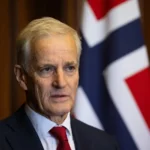


- No New Tariffs Proposed on Norway: Norway welcomed the United States decision on Wednesday, 25 November 2026 not to propose new tariffs on Norwegian goods as part of an eight-month Section 301 investigation into structural excess industrial capacity and production across 16 economies originally examined since 11 March 2026.
- Foreign Minister Espen Barth Eide’s Response: Norwegian Foreign Minister Espen Barth Eide stated in an email to Reuters that Norway has consistently maintained its policies do not drive overcapacity, that Norwegian companies produce in response to market demand, and that Oslo will continue constructive dialogue with the United States Trade Representative (USTR) to ensure predictability for Norwegian businesses.
- 14 Economies Face Proposed Tariffs, While Norway and Mexico Remain Under Review: The USTR and the Trump administration proposed new Section 301 tariffs on 14 of the 16 investigated economies—with proposed rates ranging from 15% (including the European Union, Japan, South Korea, Switzerland and Taiwan) up to 35% (Vietnam), alongside 18% and 20% tiers—while making no determination or tariff proposal yet for Norway or Mexico.
- Open Investigation Timeline and Next Steps: A senior U.S. official indicated that the investigations into Norway and Mexico remain under review without a timeline for completion, while public comment deadlines on the 14-economy tariff proposals run through 5 January 2027 with hearings starting 25 January 2027.
Norway (Norway Post Magazine) November 25, 2026 – Norway welcomed the United States decision on Wednesday, 25 November 2026 not to propose new tariffs on Norwegian goods under an eight-month Section 301 investigation into structural excess industrial capacity, while pledging ongoing dialogue with Washington. Reported by Reuters from Helsinki alongside coverage from Supply Chain Dive, TradingView, CBS News and Fibre2Fashion, Norwegian Foreign Minister Espen Barth Eide said Norwegian firms produce for market demand and Oslo seeks predictability for exporters as reviews of Norway and Mexico continue.
- What Did Foreign Minister Espen Barth Eide Say About Overcapacity and Dialogue With Washington?
- How Did the U.S. Excess Capacity Investigation Unfold for 14 Economies, Norway and Mexico?
- How Do the Outcomes of the U.S. Excess Capacity Review Compare Across Groups?
- Background of the Particular Development After the News
- How This Development Can Affect Norwegian Exporters, Policymakers and Trade Partners
As reported by Reuters from Helsinki on 25 November 2026 (with corroborating reporting from Supply Chain Dive, TradingView, CBS News and Fibre2Fashion), Norway welcomed the U.S. decision not to propose new tariffs on Norwegian goods as part of its investigation into structural excess industrial capacity and said it will continue working with Washington on the matter.
Foreign Minister Espen Barth Eide said on Wednesday, 25 November 2026 that Oslo remains engaged with Washington after the Trump administration and the Office of the United States Trade Representative (USTR) proposed new Section 301 tariffs on 14 trading partners following a months-long inquiry, while omitting Norway and Mexico from the proposed tariff actions.
What Did Foreign Minister Espen Barth Eide Say About Overcapacity and Dialogue With Washington?
Reporting from Reuters on 25 November 2026 outlines Foreign Minister Espen Barth Eide’s position on Norwegian industrial policy, market demand and trade talks with the United States:
- Statement on Market Demand and Overcapacity: As reported by Reuters on 25 November 2026, Norwegian Foreign Minister Espen Barth Eide said in an email statement to Reuters: “We have been clear throughout the process that Norway does not have policies that contribute to overcapacity. Norwegian companies produce in response to market demand”.
- Engagement With the U.S. Trade Representative and Business Predictability: According to Reuters on 25 November 2026, Espen Barth Eide added that Norway had held constructive dialogue with the United States Trade Representative on the overcapacity issue and would continue working to ensure predictability for Norwegian businesses.
How Did the U.S. Excess Capacity Investigation Unfold for 14 Economies, Norway and Mexico?
Coverage from Supply Chain Dive, TradingView, CBS News, Fibre2Fashion and USTR releases on 25 November 2026 details the scope of the Section 301 probe, proposed tariff tiers and the status of Norway and Mexico:
- Proposed Tariffs on 14 of 16 Investigated Economies: As reported by Supply Chain Dive and TradingView on 25 November 2026 (citing U.S. Trade Representative Jamieson Greer), the USTR completed Section 301 investigations initiated on 11 March 2026 across 16 economies—drawing testimony from nearly 140 witnesses and more than 1,070 comments—and proposed new duties on 14 economies over structural excess capacity and production in manufacturing sectors. TradingView reports proposed tariff rates of 15% for the European Union, Japan, South Korea, Switzerland and Taiwan; 18% for Bangladesh, Cambodia, Indonesia, Malaysia and Thailand; 20% (with 10% in certain cases and product exemptions) for China alongside Singapore; 25% for India; and 35% for Vietnam, while CBS News notes that a senior administration official said the proposed product-specific tariffs are in the proposal phase and would not stack on top of existing tariffs. U.S. Trade Representative Jamieson Greer stated in the release: “For decades, many of our trading partners have adopted industrial strategies built on targeting manufacturing, wage and labor suppression, financial and other support, non-market economy inputs, and other market distorting practices that tilt the trade balance in their favor while eroding America’s manufacturing base”.
- Ongoing Review for Norway and Mexico: According to Reuters, Supply Chain Dive, TradingView, CBS News and Fibre2Fashion on 25 November 2026, the USTR made no determinations and proposed no new tariffs for Norway or Mexico at this stage. Reuters reports that a senior U.S. official said the investigations into Norway and Mexico remained under review and declined to provide a completion timeline, while Fibre2Fashion notes written comments on the proposed actions are due by 5 January 2027 ahead of public hearings starting 25 January 2027.
How Do the Outcomes of the U.S. Excess Capacity Review Compare Across Groups?
A structured summary contrasts the reported treatment of Norway, Mexico and the 14 economies facing proposed Section 301 actions on 25 November 2026:
| Group or Country | Reported Status on 25 November 2026 | Key Details in Coverage |
| Norway | No new tariffs proposed; investigation under review | Foreign Minister Espen Barth Eide cited market-driven production and ongoing USTR dialogue for business predictability; no timeline given by senior U.S. official. |
| Mexico | No new tariffs proposed; investigation under review | Grouped with Norway among the two of 16 originally investigated economies without new tariff proposals or determinations announced. |
| 14 Economies (incl. EU, China, Japan, Vietnam, etc.) | New Section 301 tariffs proposed (ranging from 15% to 35% across tiers) | Follows eight-month probe since 11 March 2026; written comments due 5 January 2027 and hearings begin 25 January 2027. |
Background of the Particular Development After the News
The USTR’s excess capacity review was launched on 11 March 2026 under Section 301 of the Trade Act of 1974 to examine foreign manufacturing capacity, production and industrial practices across 16 economies.Throughout 2026, U.S.–Norway trade and tariff relations have also intersected with broader U.S. trade measures—including a July 2026 U.S. tariff action affecting Norwegian goods and an earlier forced-labour Section 301 proceeding—making continued bilateral engagement between Oslo and Washington a central element of Norway’s trade diplomacy.
How This Development Can Affect Norwegian Exporters, Policymakers and Trade Partners
The exclusion of Norway from new proposed Section 301 excess-capacity tariffs—alongside the ongoing review—carries practical implications across several groups:
1. Norwegian Exporters and Industrial Companies
For Norwegian exporters and industrial producers, avoiding newly proposed excess-capacity duties on 25 November 2026 provides near-term relief from additional tariff proposals, though uncertainty remains until the U.S. review of Norway concludes.
2. Norwegian Officials and U.S. Trade Negotiators
For Foreign Minister Espen Barth Eide, Norwegian trade officials and USTR representatives, continued discussions will focus on demonstrating market-based production and establishing clearer predictability for bilateral commerce.
3. Importers, Manufacturers and Trading Partners Across the 16 Economies
For supply chains, manufacturers and trading partners across the 14 economies facing proposed tariffs—as well as Mexico—the January 2027 comment and hearing schedule and unresolved reviews will shape trade costs and sourcing decisions in 2027.