Key Points
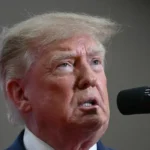
- US President Donald Trump delivered sharp criticism against Norway during a campaign rally in Port Huron, Michigan, calling it a “shithouse country” and stating that Norwegians are not welcome in the United States.
- The comments stemmed from Trump’s dissatisfaction over being overlooked for the Nobel Peace Prize, which was awarded to South African jurist and former UN human rights chief Navi Pillay.
- Norwegian Foreign Minister Espen Barth Eide responded on Monday, 26 October 2026, reiterating to national broadcaster NRK that the Norwegian Nobel Committee operates completely independently of the Norwegian government.
- Trump suggested barring Norwegian immigrants from entering the US, marking a distinct reversal from his prior 2018 comments where he expressed a preference for immigrants from Nordic nations.
- The Norwegian Nobel Committee made no formal public comment outside regular office hours following the rally.
Norway (Norway Post Magazine) October 26, 2026 — Norwegian government officials have pushed back against sharp rhetoric from US President Donald Trump after he labelled Norway a “shithouse country” and suggested barring its citizens from entering the United States. Addressing a political campaign rally in Port Huron, Michigan, on Sunday, 25 October 2026, Trump expressed anger over being overlooked for the Nobel Peace Prize, claiming the selection process was controlled by the Norwegian state. In response, Norwegian Foreign Minister Espen Barth Eide publicly clarified via national broadcaster NRK that the Norwegian Nobel Committee is an independent body that functions without political interference from Oslo.
- Key Points
- What Did Donald Trump Say About Norway During the Michigan Campaign Rally?
- How Did Norwegian Officials Respond to the Allegations Regarding the Nobel Committee?
- How Do These Remarks Compare to Trump’s Previous Statements on Nordic Immigration?
- Background of the Particular Development
- How This Development Can Affect US-Norwegian Relations, Transatlantic Alliances, and Global Diplomacy
What Did Donald Trump Say About Norway During the Michigan Campaign Rally?
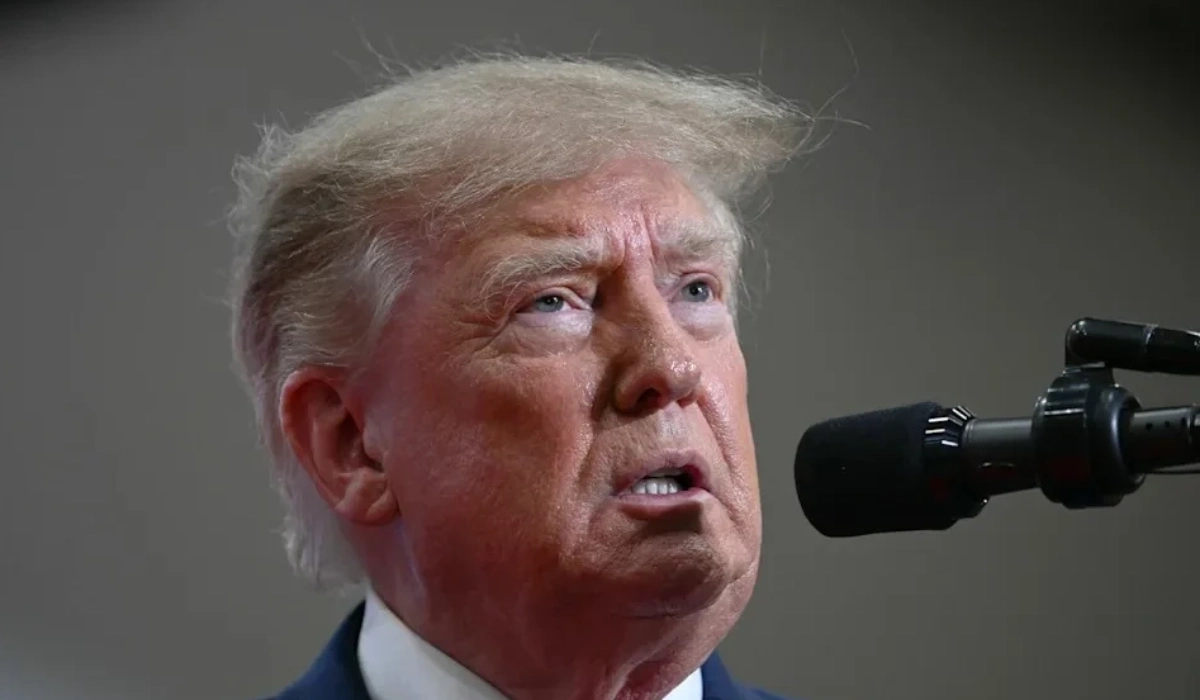
As reported by international wire correspondents for Reuters and Agence France-Presse (AFP), President Donald Trump escalated his public criticisms against Norway during a campaign address in Port Huron, Michigan, on Sunday, 25 October 2026.
Speaking ahead of upcoming US midterm elections, Trump complained to the crowd that the 2026 Nobel Peace Prize had been awarded to South African jurist Navi Pillay rather than himself. Expressing frustration over the decision, Trump questioned the committee’s choices and stated that he had mediated international disputes that rendered him worthy of the accolade.
As reported by Reuters and AFP, Donald Trump stated: “I said ‘What about me? Do they do two of them?’ Think of it, I settled, so I’m not in love with Norway. Frankly, Norway sucks. Norway has become a shithouse country, actually”.
Continuing his address to the audience, Trump added: “Denmark? Take ’em. Sweden. Norway, I don’t think so because I didn’t get the Nobel Prize. I don’t want anybody from Norway, I don’t want anything to do with Norway”.
Trump further asserted that he believed the Norwegian state ultimately exercises control over the Nobel selection board. As reported by media outlets covering the address, Trump remarked: “If anybody thinks that Norway doesn’t control the Nobel Prize, they are just kidding. They have a board, but it’s controlled by Norway, and I don’t care what Norway says”.
How Did Norwegian Officials Respond to the Allegations Regarding the Nobel Committee?
As reported by national reporter Jan Petter Svendal for Norwegian public broadcaster NRK, senior officials in Oslo moved quickly on Monday, 26 October 2026, to address the assertions regarding state involvement in the Nobel Peace Prize selection process.
Norwegian Foreign Minister Espen Barth Eide directly addressed Trump’s comments during an interview with NRK, reaffirming the legal and operational separation between the Norwegian government and the institution responsible for selecting Nobel Peace Prize laureates.
As reported by NRK and Reuters, Foreign Minister Espen Barth Eide stated: “He knows very well that the Nobel committee is independent. We have reminded him of that, in case anyone is wondering, and that is still the case”.
The Ministry of Foreign Affairs in Oslo declined to issue further diplomatic notes, while representatives for the Norwegian Nobel Committee did not return requests for formal comment outside regular office hours.
How Do These Remarks Compare to Trump’s Previous Statements on Nordic Immigration?
As reported by political correspondents at WION and The New Indian Express, Trump’s statements in Port Huron mark a notable shift from rhetoric used during his first presidential term regarding Scandinavian nations.
In January 2018, during a closed-door meeting on immigration policy in the Oval Office, Trump reportedly questioned why the United States continued to accept migrants from certain developing nations, suggesting instead that the country should attract more immigrants from nations like Norway. He reiterated similar sentiments regarding Nordic nations during public campaign appearances in late 2025.
However, following the announcement of the 2026 Nobel Peace Prize award to Navi Pillay, Trump placed Norway alongside nations he had previously criticized in connection with US immigration quotas. Despite the rhetoric delivered during the Michigan rally, no formal policy directive or executive order altering visa or entry procedures for Norwegian citizens was issued by the White House.
Background of the Particular Development
The governance of the Nobel Peace Prize is rooted in the 1895 will of Swedish industrialist Alfred Nobel, which mandated that the peace award be selected by a five-member committee appointed by the Norwegian Parliament (Storting). Although the Storting appoints the committee members to reflect the political composition of the legislature, the Norwegian Nobel Committee functions as a completely autonomous, private body under Norwegian law. Government ministers, sitting members of parliament, and state officials are legally barred from serving on the committee to protect its impartiality.
Despite this legal separation, foreign leaders have periodically directed diplomatic grievances toward the Norwegian government following controversial prize allocations. A prominent precedent occurred in 2010 when the committee awarded the Nobel Peace Prize to Chinese dissident Liu Xiaobo, leading to a multi-year freeze in formal diplomatic and economic relations between Beijing and Oslo, despite repeated statements from Norwegian authorities that the government held no veto power over the decision.
Donald Trump’s campaign for the Nobel Peace Prize has been a recurring theme in his international policy commentary. Following his return to office, Trump frequently cited his administration’s role in facilitating regional accords and diplomatic negotiations as justification for receiving the honor. When the 2026 award was conferred upon Navi Pillay, Trump publicly termed the decision an “indelible stain” on the selection process prior to his Port Huron address.
How This Development Can Affect US-Norwegian Relations, Transatlantic Alliances, and Global Diplomacy
The public exchange between President Donald Trump and Norwegian officials introduces diplomatic friction between the United States and a key NATO ally, carrying broader implications for bilateral cooperation and international award institutions.
Impact on Bilateral Relations and NATO Defence Cooperation
For the Norwegian government and diplomatic corps, the primary objective will be to insulate bilateral security and economic partnerships from campaign rhetoric. Norway serves as a critical strategic asset on NATO’s northern flank, maintaining joint military exercises and intelligence sharing with American forces in the Arctic region. While top-level diplomatic channels are expected to maintain routine operations, persistent public criticisms could complicate domestic support in Oslo for bilateral defence agreements or joint procurement programs involving US defence contractors.
Consequences for International Award Bodies and Transatlantic Protocol
For independent international bodies like the Norwegian Nobel Committee, the rhetoric highlights the growing pressure placed on award institutions by political figures. The committee is likely to maintain its established policy of non-engagement regarding political campaign speeches to protect its perceived independence. However, the controversy reinforces challenges faced by small European nations hosting international decision-making bodies, where state governments must routinely navigate foreign political blowback over decisions made by non-governmental panels.