Key Points
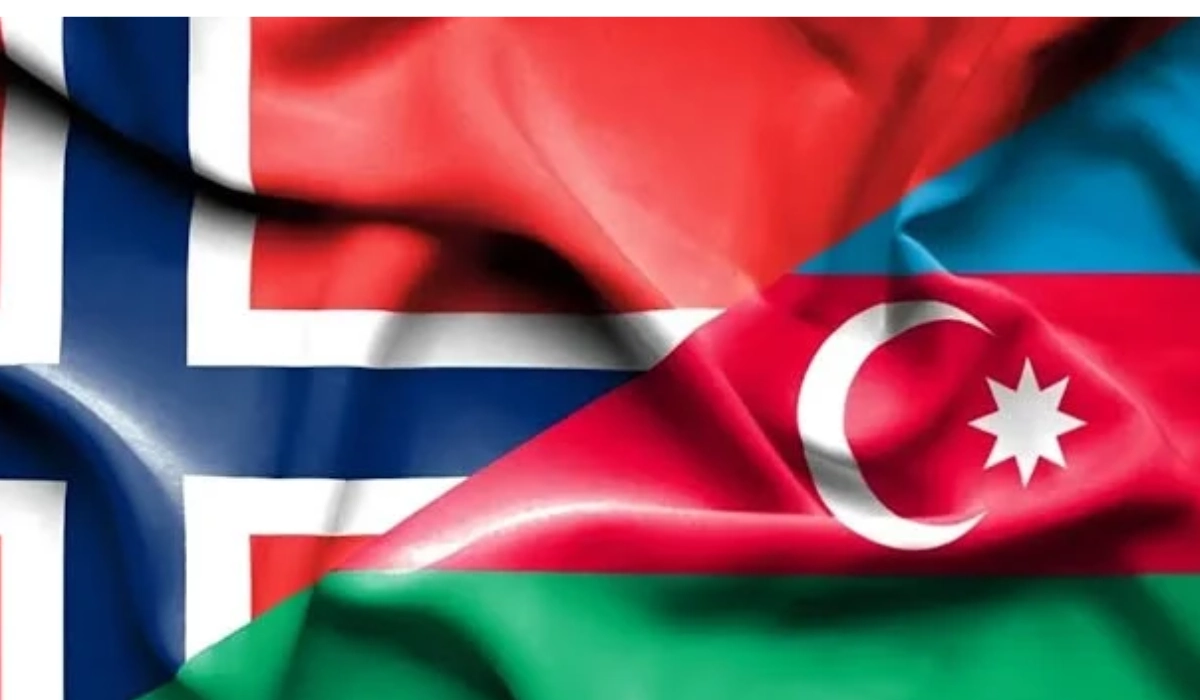
- High-level political consultations were conducted between the Ministries of Foreign Affairs of Azerbaijan and the Kingdom of Norway in Baku on 22 October 2026.
- The Azerbaijani delegation was led by Deputy Minister of Foreign Affairs Fariz Rzayev, whilst State Secretary Eivind Vad Petersson headed the Norwegian delegation.
- Both delegations underscored the strategic necessity of maintaining regular political dialogue to strengthen overall bilateral relations.
- Discussions spanned economic growth, trade expansion, humanitarian initiatives, and joint educational and scientific frameworks.
- Talks focused on ongoing and prospective strategic energy and transport projects initiated or supported by Azerbaijan.
- The two nations agreed on expanding the governing legal framework, enhancing multilateral coordination within international organisations, and providing mutual support for international candidacies.
- Regional discussions addressed the ongoing peace normalization process between Azerbaijan and Armenia, alongside large-scale reconstruction, restoration, and demining efforts in liberated territories.
Norway (Norway Post Magazine) October 22, 2026 – Senior foreign ministry officials from Azerbaijan and Norway convened in Baku on October 22 for a formal round of bilateral political consultations aimed at strengthening diplomatic, economic, and regional security ties. As reported by state news agency AZERTAC and the Ministry of Foreign Affairs of Azerbaijan, the meeting addressed expanding cooperation across trade, strategic energy infrastructure, and transport corridors, alongside critical peace-building and demining efforts in the South Caucasus. The discussions highlighted a shared commitment to regular high-level dialogue and multilateral cooperation within international bodies.
- Key Points
- Who Headed the Diplomatic Delegations in Baku?
- What Core Economic and Energy Sectors Were Addressed?
- How Will Both Nations Strengthen International and Legal Alignment?
- What Regional Security and Normalisation Efforts Were Evaluated?
- What is the Background of This Particular Development?
- How This Development Can Affect Regional and International Stakeholders?
Who Headed the Diplomatic Delegations in Baku?
The political consultations were led by Deputy Foreign Minister of Azerbaijan Fariz Rzayev and State Secretary at Norway’s Ministry of Foreign Affairs Eivind Vad Petersson. As reported by journalist Alamda Nasib of Trend News Agency, the Azerbaijani Ministry of Foreign Affairs confirmed that both leaders evaluated the current trajectory of bilateral political relations and emphasised the imperative of maintaining steady, predictable engagement between Baku and Oslo.
What Core Economic and Energy Sectors Were Addressed?
Economic and trade diversification formed a principal pillar of the dialogue. Delegations evaluated actionable pathways to boost bilateral trade volumes and broaden joint work in scientific, educational, and humanitarian fields.
A major portion of the session focused on strategic infrastructure. As reported by the news service APA, both sides exchanged comprehensive views on future prospects for strategic energy and transport projects initiated with Azerbaijan’s participation. Both nations, possessing substantial energy sectors, explored alignment on regional connectivity and energy transition initiatives.
How Will Both Nations Strengthen International and Legal Alignment?
The consultations established clear benchmarks for legal and institutional alignment. The delegations noted the necessity of expanding the contractual and legal framework governing relations between Baku and Oslo.
Furthermore, as reported by Report News Agency, representatives from both foreign ministries underlined the importance of strengthening mutual support and voting coordination within major international organisations and multilateral forums, including reciprocal backing for candidacies in international bodies.
What Regional Security and Normalisation Efforts Were Evaluated?
Regional stability and post-conflict recovery in the South Caucasus were extensively reviewed. Deputy Foreign Minister Fariz Rzayev and State Secretary Eivind Vad Petersson conducted an in-depth exchange on the current political climate in the region, focusing on efforts to achieve comprehensive peace normalisation between Azerbaijan and Armenia.
The Azerbaijani delegation briefed their Norwegian counterparts on the progress of large-scale post-conflict restoration, infrastructural reconstruction, and humanitarian demining operations underway across the liberated territories. The meeting concluded with a broader discussion on regional and international developments of mutual interest.
What is the Background of This Particular Development?
Bilateral political consultations between Azerbaijan and Norway serve as a established mechanism for aligning foreign policy perspectives and managing state-level partnerships. Relationships between the two nations historically rooted in energy sector collaboration—most notably through Norwegian energy firm Equinor’s decades-long investment in Azerbaijan’s Caspian offshore oil and gas developments—have increasingly expanded into broader geopolitical dialogue.
In recent years, the geopolitical landscape of the South Caucasus has shifted significantly following the end of the Second Karabakh War in 2020 and subsequent developments. Azerbaijan has prioritised massive state-funded rebuilding and humanitarian demining initiatives across the liberated regions to facilitate the return of internally displaced persons. Concurrently, peace negotiations between Baku and Yerevan have reached critical stages regarding border demarcation and transport link unblocking. Norway, as a non-EU European nation with strong diplomatic ties in both Eastern Europe and the South Caucasus, maintains a consistent interest in supporting regional stability, international law adherence, and sustainable energy security.
How This Development Can Affect Regional and International Stakeholders?
The continuation of structured political consultations between Azerbaijan and Norway is expected to yield tangible diplomatic and economic outcomes across several target groups:
- Energy and Transport Sectors: Energy firms and logistics operators stand to benefit from clearer regulatory frameworks and political backing for strategic transit and energy projects. Enhanced dialogue between Baku and Oslo provides stability for European energy importers seeking diversified supply chains through Caucasian transit corridors.
- Commercial and Educational Entities: Exporters, investors, and academic institutions in both countries will likely see increased opportunities due to the planned expansion of trade agreements, humanitarian exchanges, and educational partnerships.
- South Caucasus Peace and Demining Operations: International humanitarian bodies and regional communities will benefit from continued Scandinavian attention to demining and post-conflict rebuilding. Norwegian political backing for demining efforts can help secure technical assistance, funding, and international awareness necessary to safely restore conflict-affected zones.
- Multilateral Alliances: Diplomatic missions at international institutions, including the United Nations and European bodies, will experience closer coordination as both nations execute mutual support agreements for electoral candidacies and policy initiatives.