Key Points
- A government-appointed ethics commission recommended on Thursday that Norway allow its $2.3 trillion sovereign wealth fund to invest in major Western defence groups currently excluded over nuclear weapons production.
- The recommendation could unlock tens of billions of dollars in investments into top aerospace and defence corporations if adopted by the Norwegian government and parliament.
- Exemption rules would apply specifically to defence firms domiciled in Non-Proliferation Treaty (NPT) designated nuclear-weapon states that are allied with NATO-member Norway.
- Affected defence groups currently on the fund’s exclusion list include Airbus, Boeing, BAE Systems, Lockheed Martin, Safran, Thales, BWX Technologies, Northrop Grumman, Fluor, General Dynamics, Huntington Ingalls Industries, Jacobs Solutions, L3Harris Technologies, and L&T.
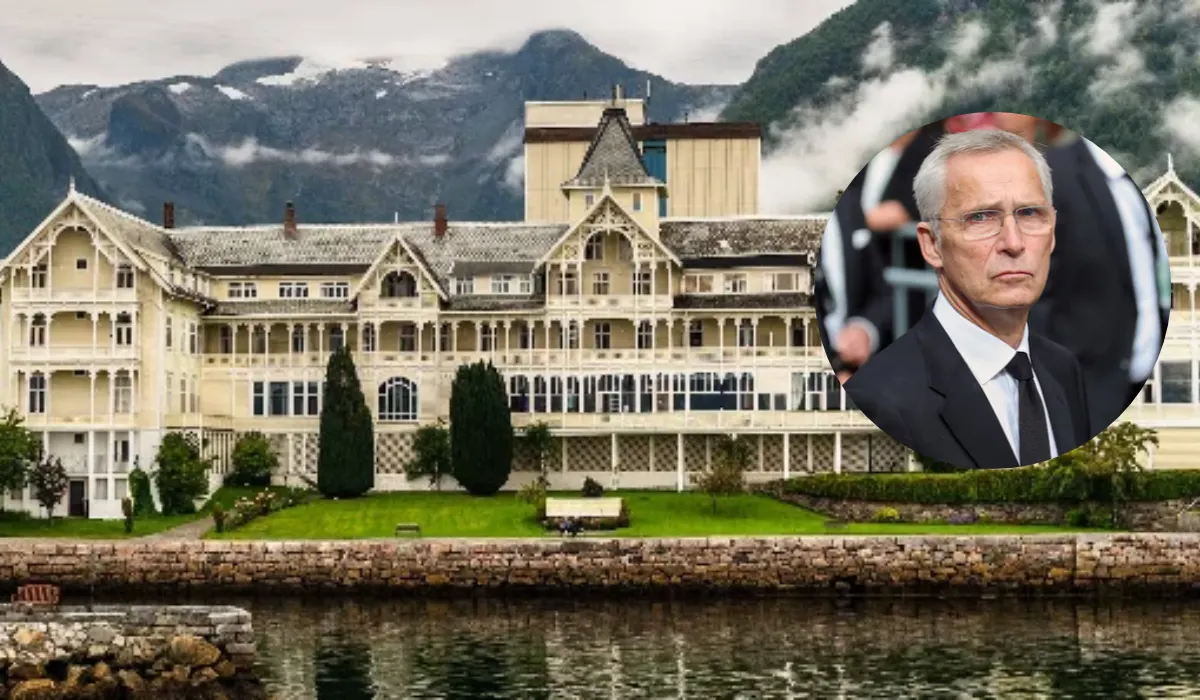
- The ethical review was initiated by Norwegian Finance Minister Jens Stoltenberg, the former NATO Secretary General, citing shifting geopolitical landscapes and Norway’s dependence on NATO’s nuclear umbrella.
- The review follows a parliamentary pause on ethics-based divestments enacted last year amidst intense scrutiny from the United States administration.
Norway (Norway Post Magazine) October 15, 2026 – Executive Summary: A government-appointed ethics commission has formally recommended that Norway overhaul its ethical investment framework to allow its $2.3 trillion sovereign wealth fund to invest in major Western defence corporations. The proposed changes would exempt defence giants involved in nuclear arms components if they reside in allied NATO nations. This policy shift could redirect tens of billions of dollars into previously banned global aerospace and defence contractors.
Inverted Pyramid Reporting Structure
Should Norway’s Sovereign Wealth Fund End Its Longstanding Ban on Defence Giants?
As reported by journalist Gwladys Fouche of Reuters, a state-appointed ethics commission concluded on Thursday, October 15, 2026, that Norway ought to permit its $2.3 trillion sovereign wealth fund—the world’s largest—to purchase shares in major Western defence groups. These defence entities are currently prohibited from the fund’s asset portfolio due to their involvement in the manufacturing and maintenance of nuclear weaponry.
If the proposed overhaul of the fund’s ethical criteria is formally adopted by Norway’s government and parliament, the policy shift could trigger investments of tens of billions of dollars across global capital markets, directly benefiting several of the world’s largest defense contractors.
The core of the proposed reform centers around creating targeted exemptions within the fund’s ethical exclusion criteria. Under the current rules, the fund is strictly barred from holding financial stakes in prominent industrial giants including Airbus, Boeing, BAE Systems, and Lockheed Martin. These exclusions were enacted because the firms contribute components to nuclear weapons systems.
Under the revised framework, an explicit exemption would be created for companies headquartered within a designated nuclear-weapon state under the Treaty on the Non-Proliferation of Nuclear Weapons (NPT), provided that the host nation is an ally of NATO-member Norway.
Why Did Finance Minister Jens Stoltenberg Initiate the Ethics Framework Overhaul?
As reported by Gwladys Fouche of Reuters, the review of the fund’s ethical guidelines was commissioned directly by Norwegian Finance Minister Jens Stoltenberg, who previously served as the Secretary General of NATO. Stoltenberg asked the panel to re-evaluate the ethical framework in light of fundamental changes in the global security environment and Norway’s explicit reliance on NATO’s collective deterrence and nuclear umbrella.
Beyond the major aerospace giants, the commission’s proposal addresses a wider roster of defense and engineering firms currently placed on the fund’s excluded list. These companies include:
- Safran (France)
- Thales (France)
- BWX Technologies (United States)
- Northrop Grumman (United States)
- Fluor (United States)
- General Dynamics (United States)
- Huntington Ingalls Industries (United States)
- Jacobs Solutions (United States)
- L3Harris Technologies (United States)
- Larsen & Toubro (L&T)(India)
Despite the broad nature of the proposed exemption for allied nuclear defense contractors, the commission noted that exclusions could still be maintained or applied against individual firms under other ethical guidelines, such as environmental violations or human rights concerns.
Background of the Ethics Framework and Political Scrutiny
The ethics framework governing Norway’s sovereign wealth fund—officially known as the Government Pension Fund Global—has long been considered a global benchmark for responsible investing. Historically, the fund operated under a dual system where the Council on Ethics, an independent ethical watchdog, investigated corporate conduct and made formal recommendations to exclude companies or place them under observation. The final authority rested with the board of Norges Bank, Norway’s central bank, which historically followed the Council on Ethics’ advice in the vast majority of cases.
However, the fund’s divestment decisions came under intense pressure last year amidst heightened scrutiny from the United States administration. Given that more than half of the fund’s $2.3 trillion in assets is invested within the United States market, political sensitivity around excluding major American defense suppliers and technology providers escalated significantly.
In response to this growing political tension and broader geopolitical shifts across Europe, Norway’s parliament took the unprecedented step last year of pausing all ethics-based divestments by the state-owned fund. That pause suspended new exclusion decisions pending the comprehensive review presented by the government-appointed commission.
This Development Affect Global Markets and Defence Investors
If enacted by the Norwegian parliament, this reform will directly impact three core groups: Western defence contractors, institutional asset managers, and civil society watchdog organizations.
Impact on Global Defence Companies and Capital Allocation
For major defence conglomerates such as Lockheed Martin, Boeing, BAE Systems, and General Dynamics, the inclusion into the world’s largest sovereign wealth fund represents a substantial influx of institutional capital. Beyond the direct financial impact of potential multi-billion-dollar equity purchases, the removal of Norway’s ethical ban removes a major reputation-related discount on these stocks. It validates defence manufacturing as an acceptable holding for mainstream Environmental, Social, and Governance (ESG) conscious funds across Europe.
Impact on Sovereign Wealth Funds and ESG Benchmarks
Norway’s fund frequently serves as a reference point for institutional investors and pension funds worldwide. The decision to reconcile defence investing with ethical mandates reflects a broader post-2022 European paradigm shift that categorizes national security and defense preparedness as prerequisites for sustainable societal governance. Other European pension funds may follow Norway’s lead, easing strict exclusions on defense manufacturers.